
Best Commuter Electric Bikes in 2026 for City Riders
A commuter e-bike can cut travel time, parking stress, and sweat, but only if it fits your real routine. In 2026, the best options are not the ones with the biggest motor or the flashiest spec sheet.
They are the bikes that carry enough battery for your route, feel manageable in traffic, and don’t become a pain when it’s time to charge, store, or lock up. This guide keeps the jargon light and the advice practical, so you can pick a bike that fits your commute, budget, and riding style.
What makes a commuter e-bike worth buying in 2026?
A solid commuter e-bike makes daily travel easier. It should get you to work, errands, and transit stops with less effort, while still feeling simple to live with every day.
Battery range that fits your real daily ride
Battery claims can look great on a product page, but city riding rarely matches lab conditions. Hills, rider weight, cold weather, stop-and-go traffic, cargo, and high assist levels all cut range.
A bike with a claimed 30-mile range may be plenty for a rider doing a flat 10-mile round trip on medium assist. That same bike can feel limiting if your ride includes steep climbs, a laptop bag, and a headwind on the way home. Real-world testing matters, which is why Bicycling’s editor-tested e-bike picks are useful when you want a reality check beyond brand marketing.
Add at least 25 percent more claimed range than your normal round trip. That buffer helps with weather, detours, and battery aging.
Also pay attention to how you ride. If you love max assist, your battery will drain faster. If you pedal more and use lower assist, a smaller battery may be enough.
Why lighter bikes feel better in the city
Weight shapes the whole ownership experience. A lighter bike is easier to carry up apartment stairs, roll into an elevator, lift onto a rack, or squeeze into tight storage.
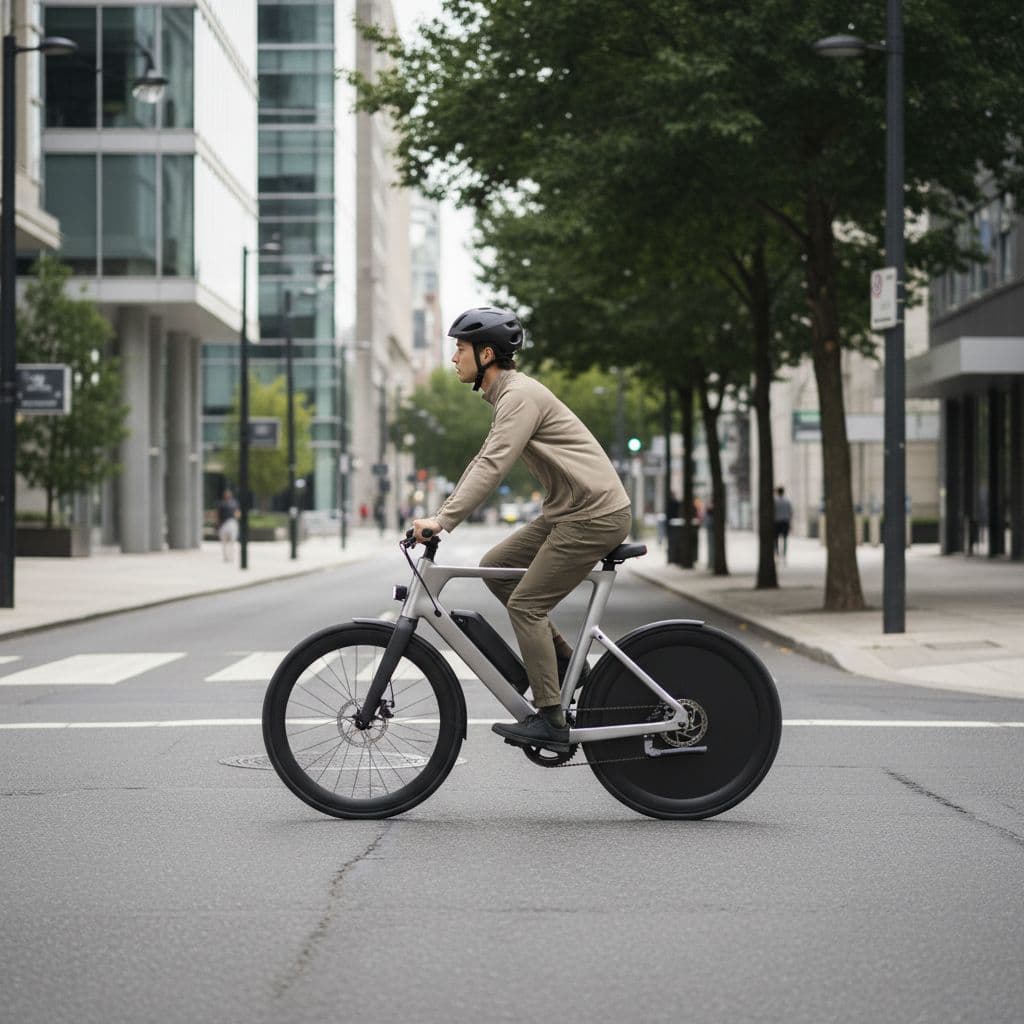
A lighter commuter e-bike is easier to carry, park, and handle in crowded city spaces.
That lower weight also helps when the motor is off. If your battery runs low, or you need to push the bike through a station, every pound matters. The tradeoff is simple, though. Lighter bikes often have smaller batteries, fewer built-in accessories, or less motor power, so you need to balance convenience against range and comfort.
Smart features that actually help commuters
Smart connectivity is worth paying for when it solves real problems. Useful features include app-based lock alerts, GPS tracking, battery health reports, ride stats, service reminders, and firmware updates.
Security tools matter most in city use. A theft alert on your phone or a location feature can save time and stress, especially if you park outside. Maintenance tools help, too. Battery health data, error codes, and service reminders can make ownership easier over the long haul.
Still, not every app feature deserves your money. If the bike’s smart system feels slow, buggy, or dependent on a paid subscription, its value drops fast. The best tech fades into the background and makes the bike simpler to own.
How to choose between hub motors and mid-drive motors
Motor type changes how an e-bike feels more than many first-time buyers expect. For commuting, the choice usually comes down to ride feel, hills, budget, and how much upkeep you’re comfortable with.
When a hub motor is the better city choice
Most commuter hub motors sit in the rear wheel. They push the bike forward in a simple, quiet way, and they usually cost less than mid-drive setups.
That makes hub motors a strong fit for flatter routes, casual riders, and shoppers who want lower upkeep. They also work well for riders who don’t want to think much about shifting technique. You pedal, the bike helps, and the ride feels easy. On steep hills, however, hub motors can feel less natural and less efficient than a good mid-drive.
When a mid-drive motor is worth the extra cost
A mid-drive motor sits near the cranks and works through the bike’s gears. Because of that, it often feels more like your own legs got stronger rather than like the bike is pushing you from behind.
That ride feel is a big plus on hills and mixed terrain. Mid-drives also tend to balance weight better, which helps handling in traffic and when carrying bags or groceries. The catch is price. Mid-drive bikes usually cost more, and because the motor sends power through the chain and cassette, drivetrain wear can be higher if you ride hard or shift poorly.
A quick decision guide for your commute
This quick chart works well for most urban riders.
| Commute type | Better fit | Why |
|---|---|---|
| Flat, short, budget-focused | Hub motor | Lower cost, quiet assist, simple ownership |
| Hilly, mixed terrain, daily use | Mid-drive | Better climbing and more natural pedaling |
| Frequent cargo or child seat | Mid-drive | Handles load changes and starts more smoothly |
| Apartment stairs and easy lifting | Light hub-motor bike | Lower overall weight is often easier to live with |
If your route is mostly flat and your budget is tight, a hub motor is usually the smart pick. If you face hills every day and want the smoothest pedal feel, paying more for a mid-drive often makes sense.
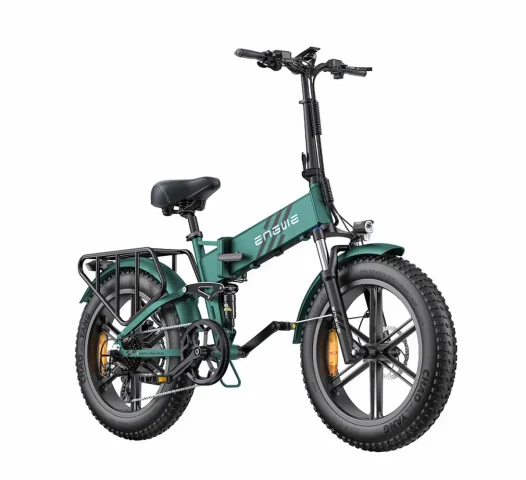
The features city riders should compare before buying
A commuter bike lives or dies by the small details. The right frame, brakes, tires, and battery setup can matter more than a few extra watts on paper.
Frame style, foldability, and storage needs
Step-through frames are easy to mount in work clothes, at stoplights, or when carrying a bag. Diamond frames can feel stiffer and sportier, which some riders prefer for longer commutes or heavier loads.
Folding e-bikes make sense if you mix riding with a car trunk, office storage, or train travel. Still, folding models usually trade some ride stability for compact storage. Before buying, think about where the bike will sleep every night. That single detail often decides whether a bike feels convenient or annoying. If you’re still sorting out the basics, this beginner’s e-bike guide is a useful extra read.
Brakes, tires, lights, and fenders for daily safety
Hydraulic disc brakes are a major plus for commuting. They need less hand force and usually perform better in wet weather than cheaper brake setups.
Tires matter just as much. Puncture-resistant tires cut the odds of a roadside headache, while slightly wider tires add comfort on broken pavement and metal grates. Built-in lights are more convenient than clip-on lights because you are less likely to forget them. Full fenders also deserve a place on any serious commuter. Without them, the first rainy ride can leave your back and shoes covered in street spray.
Battery removal, charging time, and battery lifespan
A removable battery is one of the most useful commuter features, especially for apartment living. If you can’t bring the whole bike indoors, you can still carry the battery upstairs and charge it at home or at work.
Check how long charging takes from low to full. Many commuter batteries need roughly four to six hours, though larger packs can take longer. Also look at battery placement. A battery tucked into the downtube often looks cleaner and keeps weight centered. Rear-rack batteries can be easier to access, but they may make the bike feel less balanced.
Battery care also affects long-term value. Heat, frequent full drains, and long periods of storage at zero charge shorten battery life. Before you buy, check the warranty, replacement cost, and basic care advice in a solid 2026 commuter e-bike guide. Replacement battery pricing can change the true cost of ownership more than shoppers expect.
How to match an e-bike to your commute, budget, and riding style
Once you know the specs, the smart move is to match them to your week. The best commuter bike is the one that fits your actual route, not the one that looks best in a promo photo.
Best pick for short flat commutes
For short city rides, low weight often matters more than maximum range. A compact bike with a hub motor, a modest battery, and quick charging can feel more useful than a heavy long-range model.
Comfort still counts. Look for an upright position, stable handling, and enough room for a bag or lock. If your round trip is only a few miles, you probably don’t need the biggest battery on the market, and you shouldn’t pay the weight penalty for one.
Best pick for longer or hillier rides
Longer commutes ask more from every part of the bike. You need enough battery to ride with confidence, brakes that stay strong in traffic, and a motor that doesn’t feel strained on climbs.
This is where mid-drive systems start to earn their price. They work well with the bike’s gears, which helps on hills and under load. Also watch total weight. A huge battery is helpful on long rides, but if you must carry the bike upstairs every day, there is a point where extra range becomes extra hassle.
Best pick for riders who value tech and theft protection
If you park outside often, smart security should move up your list. GPS tracking, app-based lock alerts, battery status checks, and service notifications add real value for daily riders.
Those tools still work best as backup, not as your main defense. A strong lock, bright parking spot, and removable battery still matter more than any app. Smart features are best when they save you time, help you recover a stolen bike, or warn you before a small issue turns into an expensive repair.
Final thoughts
The best commuter e-bike in 2026 is the one that makes your normal weekday easier. That usually means enough range for your route, a weight you can live with, and smart features that help rather than distract.
Hub motors fit simpler, flatter, lower-cost commuting. Mid-drive motors make more sense for hills, cargo, and riders who want a more natural pedal feel.
Compare range, weight, motor type, and connectivity side by side, then picture the bike on your most typical Tuesday. The right choice usually becomes clear fast.
Quick Links: Top Commuter E-Bikes Right Now
To make your choice easier, we have selected the top-rated and most reliable commuter electric bikes available right now with fast shipping. Check the latest deals directly from our trusted partners:
- Engwe Engine Pro / Engwe P26 (The ultimate combination of power, folding design, and long-range comfort)
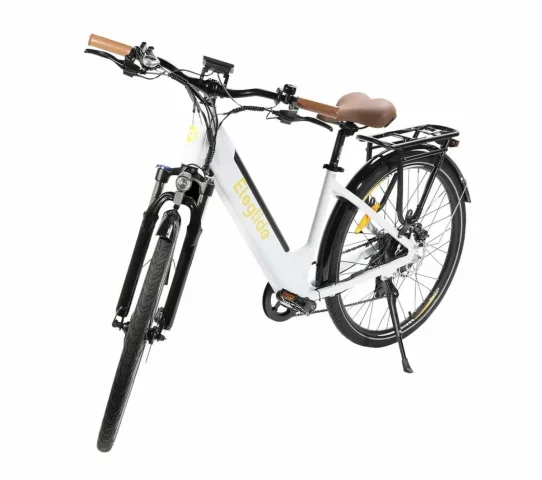
- Eleglide M1 Plus / Eleglide T1 (The best budget-friendly all-rounder for daily city commuting and light trails)
- Fafrees F20 Light (Sleek, lightweight, and highly portable folding e-bike for urban riders)
- Fafrees F20 (Fat Tire Edition) (Powerful folding e-bike with 20*3.0in Fat Tires and a massive 18Ah battery for longer range and all-terrain comfort)
💡 Looking for a spare charger? If you already own an electric ride or want a backup for the office, check out the LAOTOP 36V 2A Universal Electric Scooter & Bike Charger on BangGood. It’s an affordable and reliable replacement to keep your battery topped up and ready to roll!
Disclaimer: This post contains affiliate links. If you make a purchase through these links, BuyBest.club (bbc) may earn a small commission at no extra cost to you. This helps us keep the “cheetah” running and provide you with honest, high-quality reviews. Thank you for your support!