
Oura Ring Gen 3 Review: Still Worth Buying in 2026?
Smart rings are no longer a niche gadget, which makes the Oura Ring Gen 3 a more demanding buy in 2026. It still offers one of the best sleep-tracking experiences in wearables, but newer rivals have narrowed the gap and changed the value equation.
If you care most about sleep, recovery, and a screen-free wearable, Oura still has a strong case. What matters is whether that polished experience is worth the price, the membership, and the fact that newer rings now look more tempting.
What the Oura Ring Gen 3 gets right at a glance
Years after launch, the Gen 3 still feels polished. It’s easy to wear, easy to sleep in, and much better at turning health data into useful feedback than many first-gen rivals.
Best for sleep-first buyers who want a discreet wearable and don’t mind Oura’s ongoing membership cost.
The biggest reasons people buy it
Most people buy Oura because it stays out of the way. There is no screen to check, no buzzing on your wrist, and no pressure to interact with it all day. You wear it, sleep with it, then open the app when you want answers.
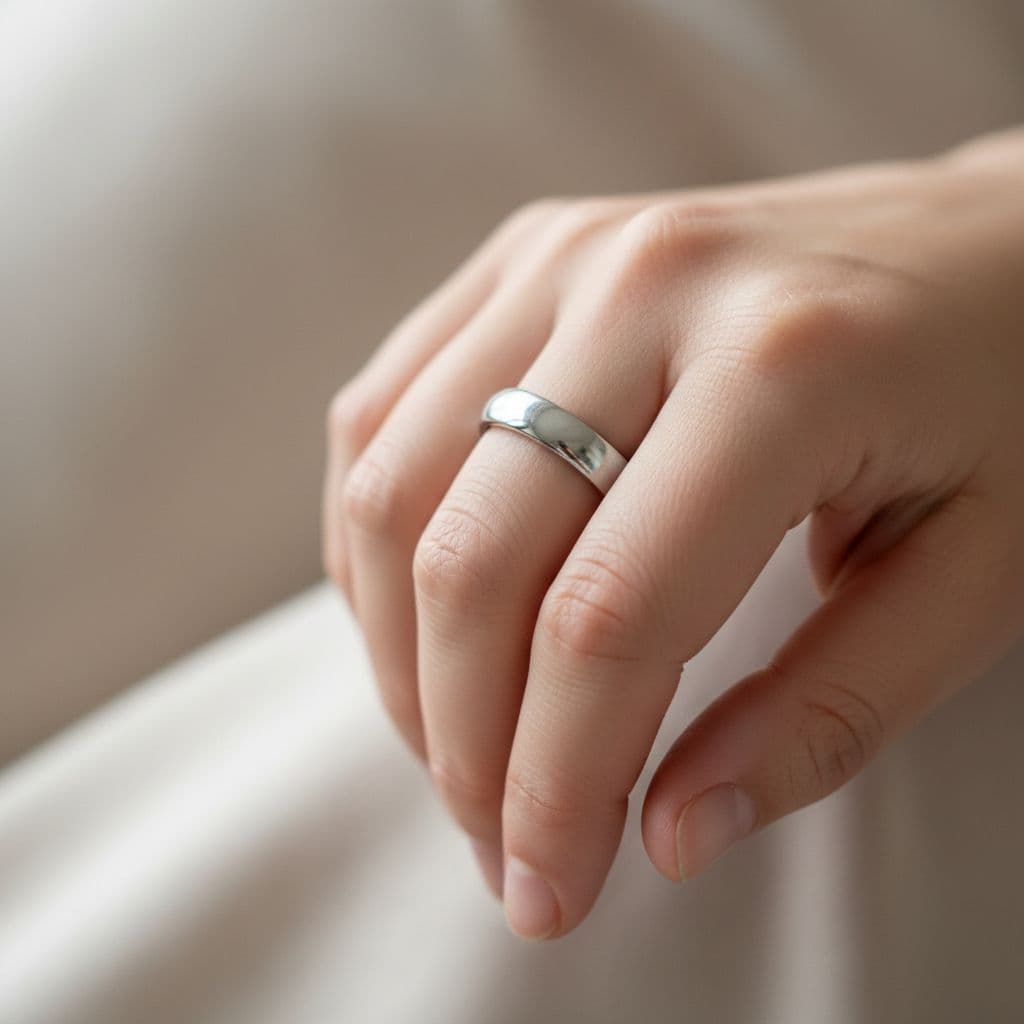
That formula still works. The ring combines strong sleep tracking, solid recovery signals, and a design that looks closer to jewelry than a piece of tech.
Who this ring is really for
Gen 3 is a good fit if you like data but don’t want a smartwatch. It suits sleep-focused buyers, wellness trackers, and people who want to understand how habits affect recovery over weeks and months.
However, it won’t satisfy everyone. If you want notifications, music control, guided workouts, or broad smartwatch features, this ring will feel narrow.
Sleep tracking is still Oura’s strongest feature
Sleep is still the main reason to buy an Oura ring. Plenty of devices can tell you how long you slept. Oura does a better job explaining how well you slept, how recovered you are, and whether your routine is helping or hurting.
How the ring tracks sleep stages and readiness
Each morning, the app breaks your night into stages such as light, deep, and REM sleep, then rolls that into a Sleep Score. That score is useful because it blends duration, timing, restfulness, latency, and consistency into one easy read.
The bigger win is Readiness Score. It uses signals like resting heart rate, HRV, temperature trends, and recent strain to estimate how recovered your body looks. A single number is never the full story, but Oura usually frames that number with enough context to make it helpful.
What feels useful in daily life, and what feels less important
This is where Oura earns its reputation. Late meals, alcohol, travel, stress, and hard training often show up in your overnight data fast. After a few weeks, you can see patterns that are easy to miss without passive tracking.
The practical value is simple. You learn whether your bedtime is too late, whether your weekend routine wrecks your Monday, and whether you are pushing through fatigue more often than you think.
Some parts matter less. Tiny night-to-night swings in sleep stage data can feel too granular, and casual users may stop caring whether a score is 82 or 85. Oura is best when you use it for trends, not when you obsess over every morning score.
Health monitoring goes beyond basic step counting
Oura’s health tracking is broader than a basic step counter, but it still keeps the focus on wellness rather than flashy metrics. You get resting heart rate, HRV, skin temperature trends, activity, stress signals, and women’s health insights such as cycle tracking.
The key metrics that matter most
For many users, HRV is the most valuable signal because it can reflect recovery and overall strain. If HRV dips while resting heart rate rises, your body may be under more stress than usual. Skin temperature trends can also reveal when something feels off before you fully notice it.
That broader focus still helps Oura stand out. As Android Central’s Galaxy Ring comparison points out, Oura puts more emphasis on stress and recovery context than many smart rings.
Where the data is helpful, and where it is not
The data is helpful when it nudges better choices. You may sleep earlier, ease off training, or spot that your recovery drops after inconsistent evenings. In other words, Oura is strong at pattern awareness.
It is not a medical device, and it should not be treated like one. Workout tracking also feels lighter than what you’d get from a serious sports watch, so athletes may still want a Garmin, Apple Watch, or similar device beside it.
Battery life, charging, and everyday comfort
Battery life matters more on a ring than on a watch because sleep tracking only works if the device is always ready at bedtime. Oura still does well here.
How long the battery really lasts
Oura rates Gen 3 for up to seven days, and that can happen with lighter use. In normal use, many people will land closer to four to six days, which is still strong for something this small.
That makes daily ownership easier. A quick top-up every few days feels manageable, and it lowers the chance that the ring dies right before sleep.
Fit, sizing, and all-day wearability
Fit is a big deal with any smart ring. If the size is wrong, comfort drops and sensor readings can suffer. Oura’s sizing process matters, so it is worth taking seriously.
Once you get the fit right, comfort is usually good, including during sleep. Still, this is a ring, not a flat band, so some users will always notice it more than a watch. Wareable’s size and weight comparison also highlights that Samsung’s newer ring is lighter, which may matter if you are sensitive to finger wear. Oura can pick up scratches, too, especially around weights and metal surfaces.
Design and build quality feel more premium than flashy
Oura still wins points for taste. The Gen 3 looks refined because it avoids the obvious gadget look that makes some wearables hard to dress up.
What makes the ring stand out visually
There is no screen, no bright face, and no bulky casing. That helps the ring work in casual settings, at work, and during sleep without looking out of place.
If you want wearable tech that blends in, Oura still nails that brief. It feels premium in a way many wrist wearables do not.
Durability and daily handling
The titanium build feels solid, and the water resistance is good enough for everyday life and swimming. You do not need to baby it.
Still, rings take more direct contact than watches. They hit desks, gym bars, and keys, so cosmetic wear is normal. If you care about keeping it pristine, the Gen 3 asks for more care than it first appears.
Oura Ring Gen 3 vs Samsung Galaxy Ring and other newer rivals
If you are cross-shopping smart rings, these are the differences that matter most.
| Factor | Oura Ring Gen 3 | Samsung Galaxy Ring |
|---|---|---|
| Sleep insights | Deeper, more mature guidance | Strong basics, less refined interpretation |
| App experience | Polished wellness platform | Best inside Samsung Health |
| Phone support | iPhone and Android | Android only |
| Battery setup | Multi-day battery, charger dock | Multi-day battery, charging case |
| Long-term cost | Lower entry, membership adds up | Higher upfront, no subscription |
| Feel on hand | Premium, slightly heavier | Lighter, thinner feel |
The short version is simple: Oura feels more mature, while Samsung feels newer.
Where Oura still has the edge
Oura still has the better sleep and recovery experience. Its app explains your data clearly, trend views are more useful, and its health language feels less raw and more actionable.
It also works on both iPhone and Android. That alone keeps it relevant in 2026, because Samsung’s ring is still a much easier sell for Android users than for iPhone owners.
Where newer rings may look more appealing
Samsung Galaxy Ring looks stronger if you want lighter hardware, a charging case, and no recurring subscription. Android Police’s head-to-head breakdown makes the value trade-off clear: Oura can start cheaper, but the monthly fee changes the math over time.
Samsung also benefits from ecosystem pull. If you already use Samsung Health and other Galaxy devices, that fit may matter more than Oura’s deeper recovery language.
Which one is the better buy for different users
Choose Oura Ring Gen 3 if sleep is your top priority, you want the most polished app, and you prefer a wearable that fades into daily life.
Choose Samsung Galaxy Ring if you use Android, want newer hardware, and do not want to pay for a subscription after buying the ring.
If you expect smartwatch-style features, neither is the perfect answer. Smart rings are at their best when they track you passively, not when they try to replace a watch.
The pros and cons you should know before buying
Pros
- Sleep tracking remains excellent and still feels ahead of many rivals.
- Recovery insights are useful when you care about long-term patterns.
- Battery life is strong for a device this small.
- Design looks premium and works in most settings.
- Cross-platform support helps if you use an iPhone.
Cons
- Membership adds cost over time.
- Smart features are limited compared with a watch.
- Fit matters a lot, and ring wear is not for everyone.
- Scratches happen with normal use.
- Newer rivals look fresher if lighter hardware is your priority.
Conclusion
The Oura Ring Gen 3 is still worth buying in 2026 if your top goal is better sleep insight. Its app remains one of the clearest, most helpful wellness platforms in wearables, and the ring is easy to live with day to day.
It becomes a weaker buy if you dislike subscriptions, want more active fitness features, or use Android and like Samsung’s ecosystem. For sleep-first buyers, though, Gen 3 still earns its place.